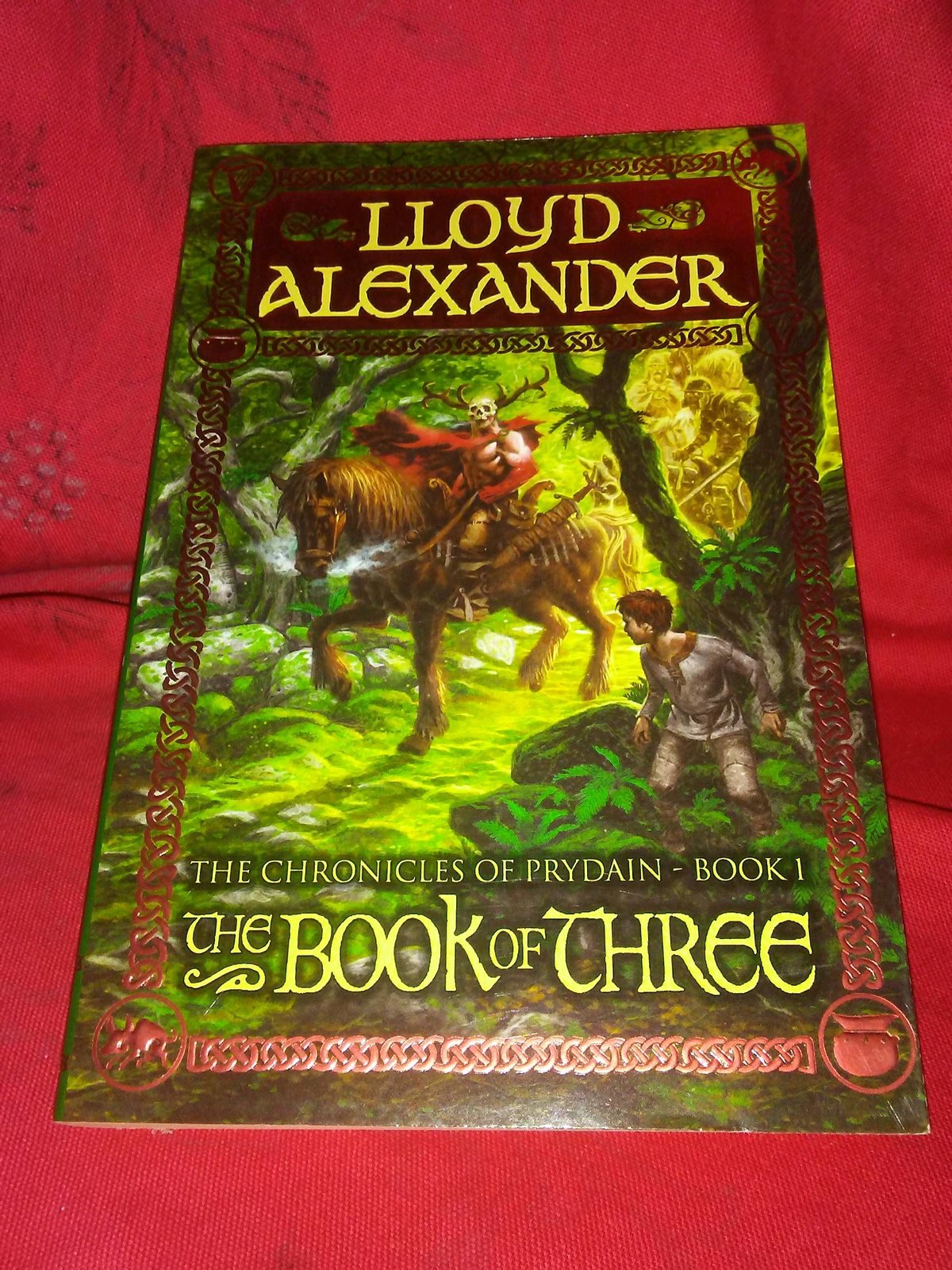
Step into the world of Prydain, and you’re not just opening a book; you’re stepping through a mist-shrouded portal into a land of ancient echoes, quiet magic, and the kind of heroism that truly sticks with you. This isn't a realm of flashy spell-slinging and bombastic wizardry, but one where the deepest 'Prydain Lore, Mythology, and Magical Elements' are woven into the very fabric of existence, shaping characters, destinies, and the enduring heart of a timeless story.
Lloyd Alexander’s The Chronicles of Prydain is more than a children’s fantasy series; it's a masterclass in drawing from rich mythological tapestries, particularly the Welsh Mabinogion, to craft a unique narrative that resonates with profound truths about courage, sacrifice, and the often-unassuming nature of true power. If you’ve ever wondered about the whispering woods, the mysterious Cauldron-Born, or the true meaning behind Taran’s humble beginnings, you're in the right place.
At a Glance: What You'll Discover About Prydain
- Ancient Roots: How Welsh mythology, particularly the Mabinogion, provides the deep, resonant bedrock for Prydain.
- Subtle Magic: Understand why Prydain's magic feels so unique—less about overt spells, more about innate abilities, ancient artifacts, and profound wisdom.
- Iconic Characters: Delve into the journeys of Taran, Eilonwy, Fflewddur, Gurgi, and other unforgettable figures.
- Forces of Shadow: Unpack the nature of evil in Prydain, from the Horned King to the ultimate menace, Arawn Death-Lord.
- Powerful Artifacts: Explore the significance of items like the Black Cauldron and the Sword Dyrnwyn.
- Enduring Themes: Grasp the timeless lessons of heroism, choice, destiny, and the true cost of power that make Prydain so impactful.
The Roots of Prydain: Where Myth and Imagination Converge
Every great fantasy world draws from something real, and Prydain is no exception. Its unique atmosphere, character archetypes, and underlying philosophy are deeply indebted to Welsh mythology, specifically a collection of medieval Welsh tales known as the Mabinogion. Lloyd Alexander didn't just retell these myths; he absorbed their essence, reimagined their figures, and then infused them with his own profound understanding of human nature and storytelling.
Think of it this way: the Mabinogion provided the ancient, sturdy timber, and Alexander carved it into something entirely new, yet still resonant with the original wood's grain. Figures like Arawn, Gwydion, and even the very concept of Annuvin (Annwn in Welsh myth, the Otherworld) are direct inspirations. This foundational lore gives Prydain a weight and authenticity that more superficially constructed fantasy worlds often lack. You feel the age of the land, the echoes of forgotten battles, and the slow, deliberate turning of destiny’s wheel.
Prydain's Geography: More Than Just a Map
Prydain itself is a character, a realm of diverse landscapes that reflect its conflicts and mysteries.
- Caer Dallben: The heart of quiet wisdom, home to Taran, Coll, and the ancient enchanter Dallben. It's a place of learning and peace, often the calm before the storm.
- The Free Commots: Home to ordinary folk, these represent the everyday world, often threatened by the encroaching shadows. They highlight what’s at stake in the greater conflict.
- The Marshes of Morva: A dark, treacherous place, home to the three ancient hags, Orddu, Orwen, and Orgoch. It’s a place of primal magic and ambiguous morality.
- Annuvin (The Land of the Dead): The realm of Arawn Death-Lord, a place of dread and necromancy. Its very name evokes ancient, chilling power.
- The Fair Folk's Underground Realm: A hidden world of enigmatic beings who possess ancient knowledge and a different kind of power. Their presence reminds us that there are layers to Prydain beyond human understanding.
Each location isn't just a setting; it contributes to the overarching lore, often revealing a piece of the puzzle about Prydain's past, its magic, or its inhabitants' destinies.
The Pillars of Prydain: Heroes and Their Human Journeys
The strength of Prydain lies in its characters, particularly how they grow and evolve not through sudden magical power-ups, but through genuine struggle, difficult choices, and the quiet heroism of perseverance.
Taran Assistant Pig-Keeper: The Everyman Hero
Taran begins as a young boy dissatisfied with his mundane life at Caer Dallben, dreaming of glory. His journey is the classic hero's quest for identity and purpose. He isn't born special, and he gains no grand magical abilities; instead, his heroism is forged through humility, compassion, loyalty, and learning from his mistakes. He represents the idea that true worth comes from within, not from noble birth or powerful weapons. His arc is a powerful exploration of leadership that prioritizes empathy and duty over personal ambition.
Princess Eilonwy: Witty, Fiery, and Uniquely Powerful
Often underestimated, Princess Eilonwy and The Black Cauldron are intertwined with some of Prydain's deepest mysteries. Eilonwy is no damsel in distress; she's quick-witted, speaks her mind, and possesses a keen, intuitive understanding of magic—a "talent," as she calls it. Her magical bauble, a glowing orb, is a recurring symbol of inner light and revelation. She represents intelligence, emotional strength, and the power of speaking truth, even when unpopular. Her story subtly critiques traditional fantasy tropes, showing that a princess can be both formidable and utterly charming.
Fflewddur Flam: The Bard Who Bends Truth (Sometimes)
Fflewddur, the wandering bard with a magical harp whose strings snap when he exaggerates, is a brilliant comedic relief and a character study in courage. Despite his self-proclaimed cowardice and occasional embellishments, he always stands by his friends, proving that bravery isn't the absence of fear, but acting despite it. His harp is a metaphor for the struggle between truth and fiction, a recurring theme for storytellers everywhere.
Gurgi: Loyalty, Simplicity, and Hidden Depths
The furry, apple-loving Gurgi, with his "crunchings and munchings," is far more than comic relief. He embodies fierce loyalty, simple goodness, and unexpected bravery. His transformation from a timid, self-serving creature to a selfless hero in The High King is one of the most poignant character arcs in the series, proving that heroism can emerge from the most unexpected places.
Doli: The Grumpy, Invaluable Fair Folk
A member of the Fair Folk, Doli initially struggles with his inability to turn invisible, a source of great embarrassment. His gruff demeanor hides a kind heart and a deep sense of responsibility. He teaches Taran about the different customs and magics of Prydain, and his journey helps him accept himself for who he is, even if he can't quite master invisibility at will.
The Face of Shadow: Understanding Evil in Prydain
The antagonists in Prydain are not cartoon villains; they embody chilling aspects of fear, death, and unchecked power, making them genuinely menacing.
The Horned King: Terror Incarnate
Initially introduced as the primary antagonist, the Horned King is a figure of pure dread, a warrior who seeks to conquer Prydain through fear and the power of the Black Cauldron. His identity is cloaked in mystery, and his monstrous appearance and brutal methods make him an immediate, visceral threat. He represents the tangible evil that can be fought directly.
Arawn Death-Lord: The Ultimate Darkness
The true power behind all evil in Prydain, Arawn is the Death-Lord of Annuvin. He is less a physical presence and more an insidious, corrupting force. He doesn't seek conquest for glory; he seeks to drain life, to turn everything to his own purposes, ultimately to bring all of Prydain under the sway of death and oblivion. His power lies in necromancy, deception, and his ability to resurrect the dead as the dreaded Cauldron-Born. Arawn represents the abstract, existential threat of ultimate despair and corruption.
The Cauldron-Born: Undead Heralds of Doom
These silent, unfeeling warriors are animated by the Black Cauldron. They are the ultimate soldiers: tireless, fearless, and utterly devoid of life or free will. They are a terrifying manifestation of Arawn's power and the perversion of life, representing the cost of using forbidden magic and the loss of individual identity.
Magic in Prydain: A Quiet, Ancient Force
Unlike many fantasy realms where magic is a system of spells and incantations, Prydain’s magic is often subtle, inherent, or tied to ancient artifacts and beings. It's less about flashy displays and more about profound effects, deep wisdom, and the very essence of the land.
The Black Cauldron: Power, Peril, and Price
This is perhaps the most iconic magical artifact. Forged by Arawn, it can resurrect the dead, but they return as the Cauldron-Born, devoid of soul or will. It embodies the temptation of power without responsibility and the irreversible cost of using dark magic. Its destruction becomes a central quest, signifying the purging of a great evil from the land. Its power is immense, but its toll is even greater, reminding us that some tools are too dangerous to exist.
Sword Dyrnwyn: Might and Moral Burden
The legendary sword, said to burst into flame for a true prince. Taran wields it for a time, but it becomes clear that true kingship isn't about the weapon but the wielder's heart. Dyrnwyn represents the seductive nature of power and the immense responsibility that comes with wielding it. It's a test of character, not a shortcut to heroism.
Eilonwy's Bauble: Intuition and Inner Light
This glowing sphere isn’t just a flashlight; it often lights the way forward when hope seems lost, guiding Taran and his companions through darkness and doubt. It symbolizes intuition, the spark of inner wisdom, and the clarity that comes from within. It’s a magical item deeply tied to its wielder's character.
The Harp of Fflewddur Flam: Truth and Art
Fflewddur's harp, with its truth-telling strings, is a unique magical item. It literally snaps when he exaggerates, a constant, humorous reminder of the importance of honesty, even in storytelling. It’s a playful yet profound commentary on the nature of truth in narratives.
Orddu, Orwen, Orgoch: Ancient Powers and Ambiguous Morality
These three ancient sisters living in the Marshes of Morva are perhaps the most mysterious magical beings. They possess immense, primal power, including shapeshifting and knowledge of ancient secrets. They are neither truly good nor evil but exist beyond such simple classifications, operating on their own ancient agenda. They embody the capricious, unknowable nature of ancient forces and the idea that some magic exists outside human understanding. They barter for items of immense personal value, emphasizing the cost of true power and knowledge.
The Fair Folk: Guardians of the Deep
These subterranean beings possess a different kind of magic – rooted in ancient knowledge, invisibility (for some), and stewardship of the earth's deepest secrets. They often serve as guides or protectors, representing a connection to the fundamental, hidden powers of Prydain.
Prydain's Enduring Themes: Beyond the Adventure
The Chronicles of Prydain isn't just a thrilling adventure; it's a profound exploration of universal human experiences.
The Nature of Heroism: Not Birthright, But Choice
Taran’s journey explicitly defies the trope of the "chosen one" by noble birth. His heroism is earned through compassion, loyalty, sacrifice, and the difficult choices he makes, often at great personal cost. He learns that true kingship is about service, not power, and that even an Assistant Pig-Keeper can possess the heart of a High King. This theme encourages readers to look for heroism in everyday actions and moral fortitude.
The Cost of Power and the Burden of Responsibility
From the Black Cauldron to Sword Dyrnwyn, power in Prydain always comes with a price. Alexander constantly illustrates that true strength lies not in wielding power, but in understanding its consequences and bearing the responsibility that comes with it. This is a crucial lesson in a world often enamored with might.
Friendship, Loyalty, and Community
The bonds between Taran, Eilonwy, Fflewddur, Gurgi, and Doli are the true strength of the series. They bicker, they doubt, but they always stand together. Their unwavering loyalty and shared purpose are what allow them to overcome seemingly insurmountable odds, highlighting the importance of community and mutual support.
The Struggle Between Choice and Destiny
Characters often grapple with their perceived destinies. Taran struggles against his humble origins, Eilonwy against her enigmatic past. Yet, time and again, it is their choices, their free will, that ultimately shape their path, not some predetermined fate. This empowers the reader, suggesting that we are the authors of our own lives.
Coming-of-Age and Self-Discovery
At its core, Prydain is a series about growing up. Taran begins as a boy yearning for adventure and ends as a man who has learned the true meaning of leadership and sacrifice. Each character, in their own way, undergoes a similar process of self-discovery, learning who they are and what truly matters.
Common Misconceptions & Deeper Readings of Prydain
"It's Just a Children's Book."
While accessible to younger readers, dismissing Prydain as "just a children's book" misses its profound philosophical depth. It tackles complex themes like the nature of good and evil, the definition of heroism, the cost of war, and the bittersweet nature of life's transitions, often with more nuance than adult fantasy. Its "G rating" belies a powerful emotional punch.
Predictable Fantasy Tropes? Think Again.
While it uses archetypal structures (the hero's journey, the dark lord), Prydain often subverts or redefines these tropes. Taran doesn't gain magical powers; he gains wisdom. The magic is subtle, not flashy. The ending is not a simple "happily ever after," but a poignant decision that shows the weight of true leadership.
The "Bittersweet" Ending
The conclusion of The High King is perhaps the most debated aspect. Taran's ultimate choice to remain mortal and guide Prydain into a new era, while his companions depart for the Summer Country, is not a simple happy ending. It's a mature, profound commentary on the nature of cycles, the necessity of change, and the idea that true heroism often involves self-sacrifice and letting go. It reinforces the theme that a king's duty is to his people, even if it means foregoing personal paradise.
Why Prydain’s Lore Still Captivates Us
Prydain endures because its lore speaks to timeless truths. It offers a vision of heroism rooted in compassion, intelligence, and moral courage, rather than sheer strength or magical aptitude. It reminds us that magic can be found not just in spells, but in ancient wisdom, loyal friendships, and the quiet dignity of ordinary people facing extraordinary challenges.
If you haven't recently journeyed through its pages, or if you're introducing it to a new generation, pay attention to the rich tapestry of Welsh myth woven into its narrative. Notice the subtle magic that permeates the land, not just in artifacts, but in the growth of its characters. Prydain isn't just a story; it’s an experience that teaches us about the enduring strength of the human spirit and the quiet, powerful magic of becoming truly ourselves.
So, pick up the books again. Re-read Taran's journey from Assistant Pig-Keeper to High King. You'll find that the 'Prydain Lore, Mythology, and Magical Elements' aren't just fantasy constructs; they're reflections of the very real magic that lies within courage, friendship, and the difficult, beautiful choices we make in our own lives.