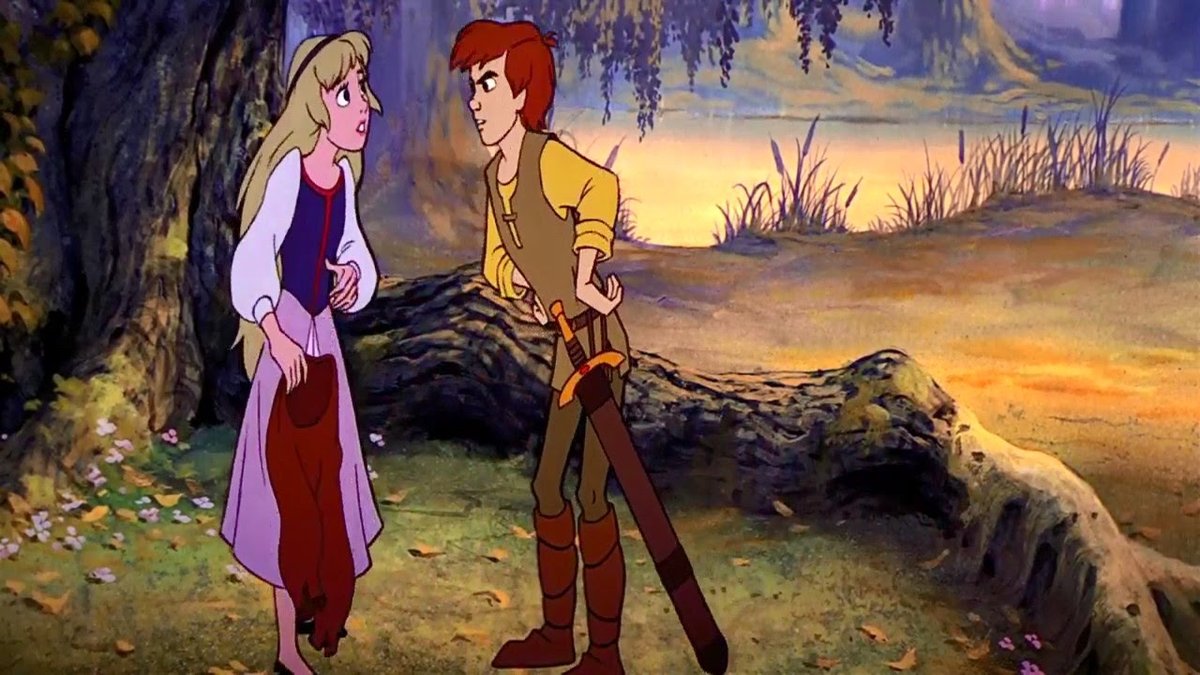
Often overshadowed and sometimes misunderstood, Disney’s The Black Cauldron stands as a unique, often darker, entry in the studio’s animated canon. Released in 1985, it broke from many traditional Disney tropes, offering a surprisingly mature and occasionally chilling narrative that challenged the typical hero’s journey. If you've ever wondered about the intricate The Black Cauldron plot, themes, and ending explained in detail, you’re in the right place. We're going to dive deep, separating the whispers from the truth about this ambitious, if flawed, animated epic.
At a Glance: Key Takeaways from The Black Cauldron
- Plot: Taran, an assistant pig-keeper, embarks on a quest to stop the malevolent Horned King from acquiring the Black Cauldron, a mystical artifact capable of raising an army of the undead.
- Protagonist's Journey: Taran's arc is one of naive ambition giving way to genuine heroism through self-sacrifice and loyalty.
- Key Characters: Beyond Taran, you'll meet the spirited Princess Eilonwy, the bumbling bard Fflewddur Fflam, the loyal Gurgi, and the terrifying Horned King.
- Central Conflict: The struggle between good and a powerful, almost supernatural evil represented by the Horned King and the Cauldron.
- Thematic Core: Explores the true meaning of heroism, the power of sacrifice, the dangers of unchecked ambition, and the importance of loyalty and friendship.
- Ending: Culminates in a selfless act of sacrifice, the defeat of the Horned King, and a powerful choice by Taran that underscores his growth, leading to a bittersweet but ultimately hopeful resolution.
- Disney's Darkest? The film pushed boundaries for Disney animation, featuring genuinely frightening villains and a pervasive sense of dread, making it a departure from its predecessors.
The Unsung Epic: Diving into The Black Cauldron's Core Story
The Black Cauldron unfolds in the mystical land of Prydain, a setting rich with ancient magic and shadowed legends. Our story begins not with a prince, but with a humble pig-keeper, whose dreams of glory set him on a path far grander and more perilous than he could have imagined.
The Reluctant Hero and a Fateful Pig
We meet Taran, a young assistant pig-keeper under the care of the kindly but firm enchanter Dallben. Taran is restless, his head filled with romantic notions of chivalry and grand heroic deeds. He longs for adventure, often neglecting his mundane duties in favor of practicing swordplay with a stick.
Dallben, however, has a more pressing concern: the malevolent Horned King. This skeletal, horned monarch seeks the legendary Black Cauldron, a relic of immense dark power. Should he obtain it, he could raise an army of undying warriors, the Cauldron-Born, and conquer Prydain. The key to finding this dreaded artifact lies with Hen Wen, Dallben’s oracular pig, who possesses visions of the cauldron's location.
Taran is tasked with the seemingly simple, yet monumentally important, duty of protecting Hen Wen. But Taran’s inexperience and wandering gaze prove costly. During a moment of distraction, Hen Wen flees, just as the Horned King's monstrous winged creatures, the Gwythaints, descend upon their home.
A Castle, a Princess, and a Magical Blade
Filled with guilt and a desperate need to redeem himself, Taran sets out to rescue Hen Wen, convinced that finding her is his first true heroic quest. His pursuit leads him directly into the clutches of the Horned King's forces. He's captured and imprisoned within the king's foreboding castle.
It's within these dungeons that Taran's journey truly begins to broaden. He quickly encounters Princess Eilonwy from The Black Cauldron, a spirited and resourceful young woman also held captive. Eilonwy, far from a damsel in distress, is pragmatic and brave, possessing a magical bauble that illuminates their escape route through the castle's dark catacombs.
Their escape is further aided by an unexpected companion: Fflewddur Fflam, a traveling bard whose magical harp strings snap whenever he tells a lie – which is often. Together, they navigate the treacherous castle, eventually stumbling upon Gurgi, a furry, apple-loving creature who is initially timid and self-serving but quickly becomes a reluctant follower. In the catacombs, Taran also discovers a magical sword, imbued with latent power, which seems to answer his yearning for a hero's weapon.
The Fair Folk and the Whispers of Morva
Now a motley crew of four, the group continues their search for Hen Wen. Their path leads them to the enchanting, hidden realm of the benevolent Fair Folk, a race of tiny, mischievous beings living underground. To their relief, they discover that Hen Wen, having narrowly escaped the Horned King, found refuge here.
King Eidilleg, the wise ruler of the Fair Folk, not only assures them of Hen Wen’s safety but also reveals the precise location of the Black Cauldron: it lies in the desolate Marshes of Morva. He assigns Doli, a grumpy but helpful member of the Fair Folk, to guide the group. Hen Wen, now safe, is sent back to Dallben’s care, allowing Taran and his companions to focus solely on the cauldron.
The Witches of Morva and a Terrible Bargain
The Marshes of Morva are a place of eerie beauty and hidden dangers, inhabited by three formidable and ancient witches: Orddu, Orgoch, and Orwen. These eccentric sisters are the current custodians of the Black Cauldron, treating it more as a prized possession than a malevolent artifact.
The witches are not easily parted with their treasure. After some haggling, they agree to trade the cauldron, but only in exchange for Taran’s newly acquired magical sword – a weapon they covet. Taran, prioritizing the mission to prevent the Horned King from getting the cauldron, reluctantly agrees. This exchange highlights Taran's growing understanding of sacrifice; he gives up his symbol of heroism for the greater good.
However, the witches reveal a chilling truth about the cauldron: it cannot be simply destroyed. It can only be negated by a living being willingly sacrificing themselves by jumping into its depths. This act will not only destroy the cauldron's power but also the individual, setting a heavy price on preventing ultimate evil.
The Horned King's Despair and a Hero's Choice
The relief of acquiring the cauldron is short-lived. Taran and his friends are ambushed and captured by the Horned King’s soldiers. The Horned King is ecstatic, finally possessing the artifact he has long sought. With sadistic glee, he places the cauldron on an altar within his fortress and uses its dark magic to resurrect his army of the undead, the Cauldron-Born, from the skeletal remains of fallen warriors.
As the grotesque, unfeeling army rises, Taran, realizing the devastating consequences of his failure, resolves to perform the ultimate sacrifice. He prepares to leap into the cauldron, seeing no other way to stop the encroaching darkness. However, Gurgi, the timid creature who once valued his own safety above all else, makes a profound and unexpected choice. In a sudden act of courage and selfless loyalty, Gurgi lunges past Taran and throws himself into the cauldron’s swirling depths.
Gurgi’s sacrifice unleashes a powerful magical backlash. The cauldron shudders, cracks, and then implodes, sucking the Horned King and his newly formed army of Cauldron-Born into its destructive vortex. The Cauldron-Born crumble into dust, and the Horned King, consumed by the very power he craved, is destroyed in a terrifying, grotesque fashion.
A New Beginning and a True Hero's Return
With the Horned King vanquished and his army undone, the immediate threat to Prydain is over. However, Taran is left with a profound sense of grief over Gurgi's sacrifice. The witches of Morva, drawn by the cauldron's energy, reappear, eager to reclaim their "property."
Taran, now a boy transformed by loss and responsibility, makes a final, pivotal decision. He bargains with the witches, offering to return the now inert Black Cauldron to them if they will resurrect Gurgi. The witches, amused by Taran's newfound wisdom and compassion, agree. Gurgi is brought back to life, initially confused but quickly overjoyed to be reunited with his friends.
The film concludes with Taran, Eilonwy, Fflewddur Fflam, and Gurgi returning to Dallben’s cottage. Dallben, seeing the mature, responsible young man Taran has become, recognizes that his pig-keeper has indeed found his heroism, not through grand deeds or magical swords, but through selflessness, loyalty, and true sacrifice. Taran has learned that true strength lies in protecting those you care about, not in chasing glory.
Beyond the Cauldron: Unpacking the Film's Enduring Themes
While its animation and tone were a stark departure for Disney, The Black Cauldron is remarkably rich in thematic depth. It’s a coming-of-age story wrapped in a dark fantasy, exploring profound ideas about heroism, responsibility, and the nature of good and evil.
The Quest for Heroism and Self-Discovery
At its heart, The Black Cauldron is Taran's journey from a daydreaming boy to a genuine hero. He starts with a simplistic, almost childish, view of heroism: a powerful sword, a valiant charge, and immediate glory. He believes becoming a hero is about external trappings and grand gestures.
- Initial Flaws: Taran's early actions are driven by impulsiveness, a bit of arrogance, and a desire for recognition. His distraction leads to Hen Wen's capture, a direct consequence of his immaturity.
- Learning Through Loss: His encounters with the Horned King, the witches, and especially the perceived loss of Gurgi, strip away these superficial notions. He realizes heroism isn't just about fighting, but about making difficult choices and sacrificing for others.
- The True Test: The true test of his character comes when he's willing to sacrifice himself for Prydain, and later, when he bargains the cauldron for Gurgi's life. These acts, devoid of any personal gain, define his true heroism.
Sacrifice and Loyalty
This theme is arguably the most potent and impactful in the entire film. The Black Cauldron unflinchingly presents sacrifice as the highest form of heroism.
- The Cauldron's Price: The revelation that the cauldron can only be destroyed by a willing living sacrifice sets a somber tone, implying that victory comes at a profound cost.
- Gurgi's Unexpected Heroism: Gurgi's leap into the cauldron is the film's emotional apex. It's unexpected because Gurgi, throughout most of the film, is depicted as timid, self-preserving, and easily swayed by promises of apples. His transformation from a self-interested creature to a selfless savior underscores the idea that heroism can emerge from the most unlikely places and is not exclusive to the strong or brave.
- Taran's Final Bargain: Taran's decision to trade the cauldron for Gurgi's life solidifies his understanding of loyalty. He chooses the life of a friend over the symbolic power of the cauldron, proving that human connection and compassion are more valuable than any magical artifact.
The Nature of Evil
The Horned King is one of Disney's most genuinely terrifying villains, largely because his evil is so absolute and devoid of humor.
- Ambition and Corruption: He represents pure, unbridled ambition and a hunger for power. He seeks the Black Cauldron not for wealth or love, but to simply dominate and rule through fear and death.
- The Cauldron as a Tool: The cauldron itself is a powerful artifact, but its evil is realized through the user's intent. It's a tool, and in the Horned King's hands, it becomes a conduit for ultimate destruction. This suggests that true evil lies in the hearts of those who wield dark power, not necessarily in the object itself.
- A World Without Redemption: Unlike many Disney villains who might have a comical side or a hint of internal conflict, the Horned King is a force of relentless malevolence, making him a truly formidable and chilling antagonist.
The Power of Choice and Agency
Despite the seemingly predetermined path of prophecies and magical artifacts, characters in The Black Cauldron are constantly faced with choices that shape their destiny.
- Taran's Decisions: From abandoning his pig-keeping duties to giving up his sword, and ultimately to his final bargain, Taran's choices drive the narrative and define his character.
- The Witches' Ambiguity: The witches of Morva are a fascinating example of moral ambiguity. They are neither purely good nor evil; they are pragmatic and self-interested, yet they uphold their end of bargains and possess ancient wisdom. Their willingness to trade the cauldron, and later to resurrect Gurgi, highlights that even powerful, ancient beings operate within a framework of choices and consequences.
- Gurgi's Agency: Gurgi's sacrifice is a powerful act of agency, demonstrating that even the smallest, most timid character can make the most profound choice.
Maturity and Responsibility
Taran begins as irresponsible and immature. His journey is a crash course in growing up, forced to confront the harsh realities of a world far more dangerous than his daydreams.
- Consequences of Actions: His initial carelessness with Hen Wen directly leads to her capture and sets the entire plot in motion, teaching him about the weight of his responsibilities.
- Leadership and Care: As the story progresses, Taran, despite his inexperience, begins to take on a leadership role within his diverse group of companions. He learns to care for others, to put their safety and the mission above his own desires for glory.
- Dallben's Acknowledgment: Dallben's final acknowledgment of Taran's "depth of character" and "true heroism" signifies Taran's complete transition from boy to responsible young man.
Deciphering The Black Cauldron's Ending
The ending of The Black Cauldron is a powerful culmination of its themes, challenging traditional notions of victory and heroism. It’s a climax that’s both dark and ultimately redemptive, leaving a lasting impression.
Gurgi's Unlikely Heroism: The Ultimate Sacrifice
The film's climax hinges entirely on Gurgi. When Taran is prepared to make the ultimate sacrifice, it's the timid, self-professed "nobody" Gurgi who takes the leap. This moment is critical for several reasons:
- Subverting Expectations: It defies the trope of the main hero making the sacrifice, showing that heroism isn't exclusive to the protagonist.
- Profound Character Arc: Gurgi's journey from a creature primarily concerned with "crunchings and munchings" to one willing to lay down his life for his friend demonstrates the profound impact of companionship and loyalty. His act is pure, unadulterated selflessness.
- The Price of Victory: It confirms the witches' grim prophecy: the Cauldron-Born cannot be defeated without a life given in exchange.
The Horned King's Poetic Justice
The Horned King meets a spectacular and grisly end, dragged into the imploding Black Cauldron, consumed by the very power he sought to wield.
- Consumed by Ambition: His demise is a direct consequence of his insatiable lust for power. The cauldron, a symbol of his ambition, becomes his tomb.
- Visually Striking: The scene is one of Disney's most intense, with the Horned King's flesh tearing from his bones, leaving a lasting visual impact that underscored the film's darker tone.
- Finality of Evil: There's no redemption or escape for him, solidifying his role as an absolute evil that must be utterly destroyed.
The Witches' Role in Resolution
The reappearance of Orddu, Orgoch, and Orwen is crucial to the film's resolution. They are not heroes but rather cosmic entities with their own rules and motives.
- Deus Ex Machina, but Earned: Their return provides a mechanism for Gurgi's resurrection, but it's earned by Taran's growth.
- The Bargain Honored: Taran's decision to offer the cauldron back to them, even though it's inert, demonstrates his commitment to a fair exchange and his evolved understanding of priorities. The witches, always honoring a good bargain, uphold their end by reviving Gurgi.
- Ambiguity Persists: They remain mysterious figures, neither fully good nor evil, but guardians of ancient magic and a certain cosmic balance.
Taran's Transformation: A True Hero's Choice
Taran's ultimate act is not wielding a magical sword to defeat a monster, but making a profound moral choice: trading the inert Black Cauldron for Gurgi's life.
- Redefining Heroism: This final decision solidifies Taran's true heroism. He foregoes the symbolic "prize" of having defeated the cauldron (which he technically didn't) for the life of his loyal companion. He understands that true value lies in relationships, not artifacts or glory.
- Emotional Maturity: It shows immense emotional maturity, moving beyond his initial selfish aspirations for glory. He prioritizes life and loyalty above all else.
- A "Happily Ever After" with Depth: The ending isn't a simple fairytale "happily ever after" with a triumphant battle. It's a conclusion earned through loss, sacrifice, and a deep understanding of what truly matters.
A Deeper Look at the "Happy" Ending
While The Black Cauldron is undeniably darker than many Disney films, its ending is ultimately hopeful.
- Hope Through Sacrifice: The defeat of the Horned King and the Cauldron-Born brings peace to Prydain, but it’s a peace achieved through profound sacrifice.
- The Value of Life: Gurgi's resurrection underscores the film's message about the preciousness of life and the power of love and loyalty to overcome even death.
- Taran's Growth: The true triumph is Taran's internal transformation. He returns to Dallben not as the hero he imagined himself to be, but as a far greater hero, one who understands the true weight of responsibility and the selfless nature of love. He carries the lessons of his journey, promising a brighter future for himself and Prydain.
Behind the Scenes: The Black Cauldron's Legacy and Reception
When The Black Cauldron premiered, it faced a challenging reception. It was Disney's first animated film to receive a PG rating, and its darker tone and themes alienated some traditional Disney audiences who expected lighthearted musicals. It was a box office disappointment, costing Disney a significant amount and leading to a period of introspection for the animation studio.
However, over the decades, The Black Cauldron has garnered a dedicated cult following. Its unique place in Disney history, its ambitious narrative based on Lloyd Alexander's "The Chronicles of Prydain," and its willingness to venture into more mature storytelling have earned it a re-evaluation. It’s seen by many as a brave, if flawed, experiment that pushed the boundaries of what a Disney animated film could be. It stands as a testament to the idea that even perceived failures can hold significant artistic merit and thematic depth.
Your Journey Beyond Prydain: What The Black Cauldron Teaches Us
The Black Cauldron may have scared off some audiences in 1985, but its enduring power lies in its unflinching portrayal of what it truly means to be a hero. It teaches us that:
- True heroism isn't about glory or magic weapons; it's about courage, sacrifice, and loyalty. Taran's journey from a starry-eyed boy to a deeply compassionate young man is a powerful reminder that character is forged in adversity and through selfless acts.
- Even the most unlikely individuals can achieve greatness. Gurgi, the timid creature, delivers the film's most heroic moment, proving that heroism transcends size, strength, or initial disposition.
- Evil, when unchecked, can be terrifying, but it can be defeated. The Horned King's demise, while dark, provides a definitive victory for good over malevolent ambition.
This film, despite its commercial struggles, offers a rich narrative tapestry for those willing to look beyond its initial dark veneer. It's a compelling watch, inviting you to reflect on the nature of courage, the bonds of friendship, and the difficult choices that define us. If you haven't revisited it lately, perhaps now is the time to experience the deep magic and powerful lessons of The Black Cauldron for yourself.